
Last updated:
St Croix is the largest of the US Virgin Islands. Getting around requires planning because the island spreads across 218 square kilometers. You will need reliable St Croix parking transport solutions to explore everything effectively. Public buses exist, but rental cars offer the most freedom. Taxis serve popular routes but cost more than other options. Understanding your choices before arrival makes your trip smoother and more affordable.
This guide covers every way to move around St Croix. You will learn about car rentals, taxis, public transport, and budget options. We include parking tips, driving rules, and scooter rentals. Whether you travel solo or with family, you will find practical information here. Let's explore how to navigate this beautiful Caribbean island efficiently.
Car Rental in St Croix
Renting a car gives you maximum freedom on St Croix. The main rental companies operate from Henry E. Rohlsen Airport. You can also find rental agencies in Christiansted and Fredericsted towns. Most visitors rent cars for multiple days or their entire stay. A car lets you reach beaches, food-restaurants, and attractions on your own schedule.
You need a valid driver's license from your home country. An international driving permit is helpful but not required. You must be at least 21 years old to rent a vehicle. Most rental companies require a credit card for the deposit. Check your personal auto insurance before renting, as it may cover rental cars abroad.
Cars on St Croix are right-hand drive, matching US driving standards. Roads vary from modern highways to narrow mountain paths. The main roads are well maintained and clearly marked. GPS works on the island, so use your phone's map application. Download offline maps before arriving in case you lose signal.
Parking is usually free in most areas across St Croix. Beach parking lots and town centers offer plenty of spaces. Some hotels charge for parking, so ask about this when booking. Secure your valuables in the trunk or glove compartment. Never leave items visible inside your car, especially at night.
Rental prices vary by car type and rental duration. Compact cars cost less than SUVs for daily rates. Book in advance during peak season (December through April) for better availability. Walk around your rental car before driving off to document any existing damage with photos. This protects you from damage charges when you return it.
Fill your gas tank before returning the car to avoid extra fees. Return the vehicle on time to prevent additional charges. Keep your rental agreement and insurance documents with you while driving. Most rental agencies accept the same credit card used for the reservation.
PRO TIP: Book your car rental online before arriving at the airport. Prices are typically lower than counter rates, and you secure your vehicle in advance during busy travel months.
Taxis in St Croix
Taxis operate throughout St Croix in both major towns and resort areas. You will find taxi stands at Henry E. Rohlsen Airport. Taxis also wait outside hotels, restaurants, and shopping centers. You can call for a taxi or hail one on the street. Most taxi drivers are friendly and know the island well.
Taxi rates are fixed by the government, not negotiable. The meter system uses zones rather than distance. Each zone costs a set amount, with rates posted at taxi stands. Two passengers in one zone typically costs around fifteen to twenty dollars. Additional passengers and extra luggage may increase the fare.
Taxis hold up to four or five passengers depending on vehicle size. Drivers accept US dollars cash and sometimes credit cards. Tipping is customary, usually fifteen to twenty percent of the fare. Taxis operate from early morning until late evening. Late night rides may cost more than daytime fares.
Airport taxi transfers to major hotels cost between twenty and thirty dollars per person. The ride from the airport to Christiansted takes about thirty minutes. Fredericsted is further, requiring forty to fifty minutes from the airport. Shared taxi rides reduce cost if you are flexible on departure time.
Many travelers combine taxi rides with rental cars. Use taxis for nights when you plan to drink at restaurants or bars. This eliminates driving concerns and provides safe transportation. Negotiate rates with your driver before getting in if no meter is visible. Ask your hotel staff to arrange taxis for you if language barriers exist.
PRO TIP: Ask your hotel concierge to call a reliable taxi company before your trip. Hotel staff know which drivers provide excellent service and fair rates.
Public Transport Options
St Croix operates public buses called the VITRAN system. Buses connect major towns and settlements across the island. Routes run from early morning until evening daily. Service is less frequent on Sundays and holidays. Buses are affordable and serve many local residents and tourists.
Bus stops are marked with signs throughout towns and along main roads. You can board at marked stops or request the driver to stop at safe locations. Buses run on loose schedules, so arrival times vary. Download the VITRAN app or check their website for route maps. Most routes cost three to four dollars per ride for adults.
The main bus terminal is located in Christiansted near the downtown area. From there, buses fan out to towns like Fredericsted and Point Udall. Buses also serve residential areas and some beaches. The journey times range from thirty minutes to an hour depending on routes. Buses are air conditioned and fairly comfortable.
Payment is cash only on most VITRAN buses. Exact change speeds up boarding, but drivers may give change. Single trip tickets provide the easiest payment method. Weekly or monthly passes offer savings for frequent riders. Purchase passes at the Christiansted terminal or authorized retailers.
Buses fill quickly during rush hours, so plan accordingly. Early morning and late afternoon see heavier traffic. Traveling midday offers more space and comfort. Keep your belongings close and watch your valuables on crowded buses. Most bus drivers are helpful and answer questions about routes.
Getting Around St Croix on a Budget

Public buses offer the cheapest way to move around St Croix. Three to four dollars per ride beats all other options. Walking between nearby attractions saves even more money. Many beaches and town areas are pedestrian friendly. Plan your days to cluster activities in one area and minimize travel.
Stay in centrally located accommodations to reduce transportation needs. Hotels in Christiansted put you near shops, restaurants, and beaches. You can walk to many attractions instead of paying for rides. Guest houses and budget hotels often sit in convenient locations. This strategy reduces overall transportation costs significantly.
Share taxi rides with other travelers you meet at your hotel. Splitting costs makes taxis more affordable. Ask your hotel to arrange group transportation for activities. Many tours include hotel pickup, eliminating separate transport costs. This is especially useful for diving, snorkeling, or day excursions.
Bike rentals cost less than car rentals for single days. You can rent bikes to explore towns and nearby areas. This works well for people comfortable cycling on Caribbean roads. Bring water and sunscreen, as the heat is intense. Bikes suit flat terrain better than hilly areas.
Walking tours run frequently in Christiansted and Fredericsted. Local guides share history and culture while you explore on foot. Some tours are free or very low cost. You discover hidden gems locals know about. Walking tours beat driving to small attractions in towns.
Driving in St Croix, What To Know
St Croix drivers must follow all standard US traffic laws. You drive on the right side of the road. Speed limits range from fifteen miles per hour in towns to fifty on highways. Road signs are in English and easy to understand. Most roads follow a grid pattern in towns and straightforward routes in rural areas.
Seat belts are required for all passengers in every vehicle. Children under twelve must sit in back seats. Drinking and driving laws match US standards with zero tolerance policies. Never drive under the influence of alcohol or drugs. Police enforce traffic laws and issue tickets for violations.
Potholes appear on some older roads, especially in rural areas. Drive slowly on unfamiliar roads to avoid damage to rental vehicles. Watch for livestock on secondary roads outside towns. Goats and cattle sometimes cross unexpectedly. Honk your horn gently before turning narrow corners.
Gas stations operate throughout the island near towns. Fill up during business hours to ensure availability. Credit cards work at most stations, though some older pumps take cash. Keep your fuel tank above half full to avoid running out in remote areas. The nearest station may be several miles away.
Driving at night requires extra caution on St Croix. Street lighting is minimal outside town centers. Some roads lack painted lane markings. Use your headlights after sunset and drive slower than daytime speeds. Avoid driving alone at night in unfamiliar areas.
Rental car insurance is mandatory in the US Virgin Islands. Your rental company includes basic coverage in rental rates. Additional liability coverage is optional but recommended. Understand what your policy covers before driving. Report any accidents immediately to police and your rental company.
Scooter and Bike Rental

Scooter rentals provide affordable island transport for light travelers. Many rental shops operate in Christiansted and Fredericsted. Daily rates cost less than car rentals. Scooters suit exploring towns and nearby beaches efficiently. Two people can share one scooter for budget travel.
You need a valid motorcycle license in your home country to rent a scooter. An international driving permit helps, though not always required. Helmets are mandatory by law and always provided. Inspect your scooter for damage before riding. Take photos of the condition to protect yourself against charges.
Scooters handle mountain roads well but suit flat coastal areas better. Practice in a parking lot if you lack recent riding experience. Caribbean roads have unexpected hazards like potholes and loose gravel. Ride defensively and assume other drivers may not see you. Always signal your turns clearly.
Parking scooters is easy throughout St Croix. Secured spots exist at major beaches and towns. Never leave valuables on the scooter while you are away. Park in visible areas and lock your helmet to the bike. Theft is possible in less populated areas.
Bicycles suit flat terrain and short distances very well. Beach towns and nearby areas work perfectly for cycling. Bikes are affordable and easy to rent by the day. Bring plenty of water as the Caribbean sun is intense. Wear sunscreen and a hat even while cycling.
Mountain biking trails exist in some rural areas. Local rental shops can direct you to suitable routes. Trails vary in difficulty from easy to challenging. Start early in the day to avoid afternoon heat. Bring repair kits in case of punctures on remote trails.
PRO TIP: Rent scooters or bikes early in the morning before peak heat. You will enjoy your ride more, and you can complete activities before afternoon sun becomes intense.
Frequently Asked Questions
Is It Easy To Park in Christiansted and Fredericsted?
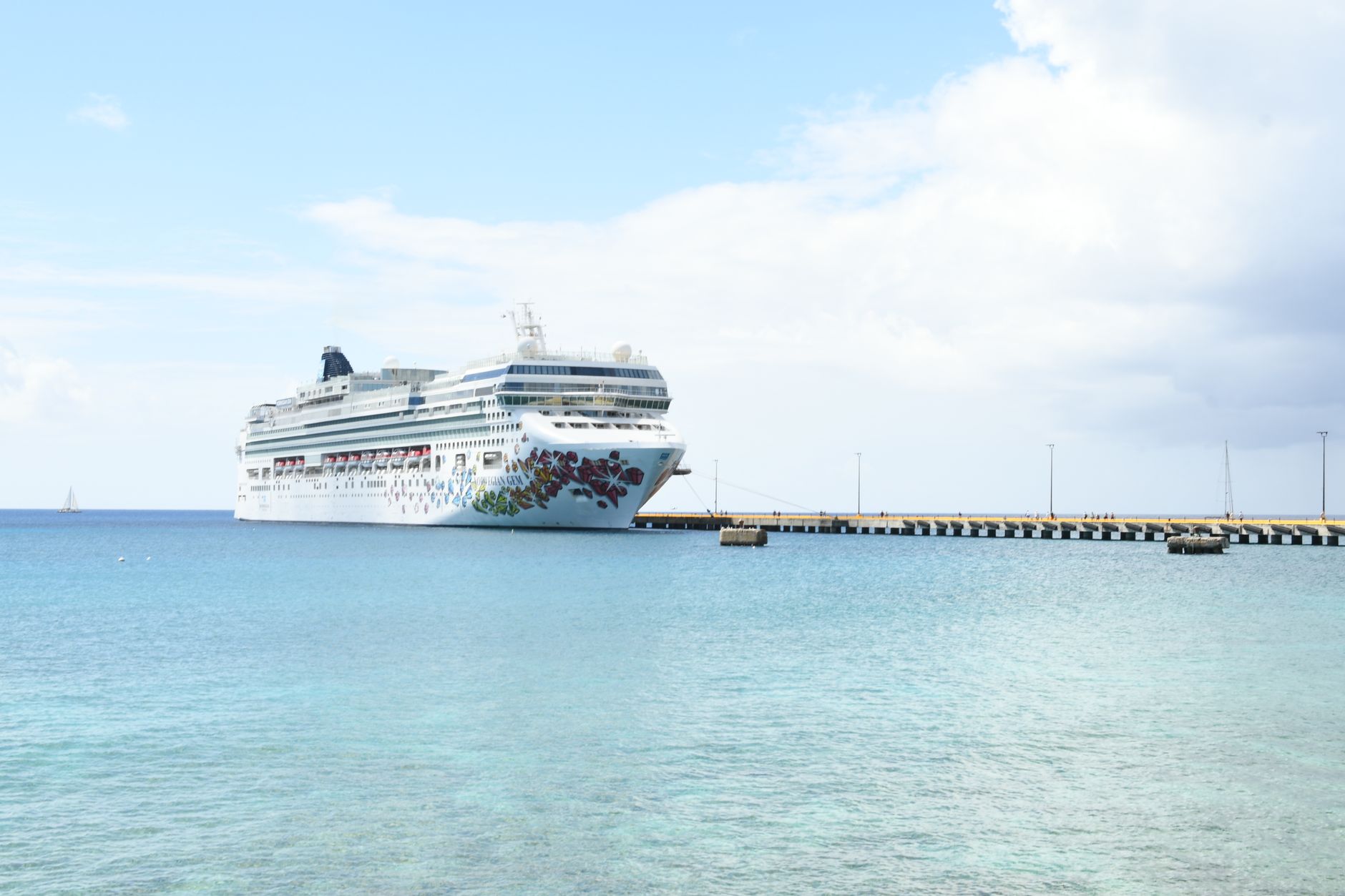
Parking is generally simple in both main towns on St Croix. Most street parking is free in Christiansted and Fredericsted. Beach parking lots provide ample free spaces most days. During cruise ship arrivals, finding spaces gets challenging, especially near waterfronts. Arrive early at popular spots or use remote parking and walk. Some restaurants offer validated parking for customers. Never leave valuables visible in your car.
Do I Need an International Driving Permit for St Croix?
Your home country driver's license is sufficient for renting and driving on St Croix. An international driving permit is helpful if your license is not in English. It provides a translation that some police officers appreciate. The permit is inexpensive and useful backup documentation. Many travelers obtain one before Caribbean trips for peace of mind. Check your home country's transportation office for permit applications and fees.
What Is the Cheapest Way To Get From the Airport To My Hotel?
Public buses are cheapest at three to four dollars from the airport. However, bus service is limited and routes may not reach all hotels directly. Shared taxis cost more but reach remote properties faster. Hotel shuttles are sometimes included with your booking, so ask when reserving. Rental cars make sense if your stay exceeds three days. Group tours occasionally include airport transfers as packages.
Can I Use Uber or Lyft on St Croix?
Neither Uber nor Lyft currently operates on St Croix. The island relies on traditional taxi systems and rental cars. However, ride sharing apps may expand in the future. Check app stores when you arrive for updates. Taxis remain your app alternative for on demand rides. Some hotels can arrange car services in advance for pickup.
Are Roads Safe for Driving at Night on St Croix?
Night driving requires extra caution on St Croix roads. Street lighting is limited outside main towns and resort areas. Some roads lack clear lane markings and shoulders. Potholes become harder to avoid in darkness. Police patrol main routes but are sparse on secondary roads. Avoid night driving in unfamiliar areas. If necessary, drive slowly and use your headlights. Consider taxis or arranged transportation for evening outings.